Overview
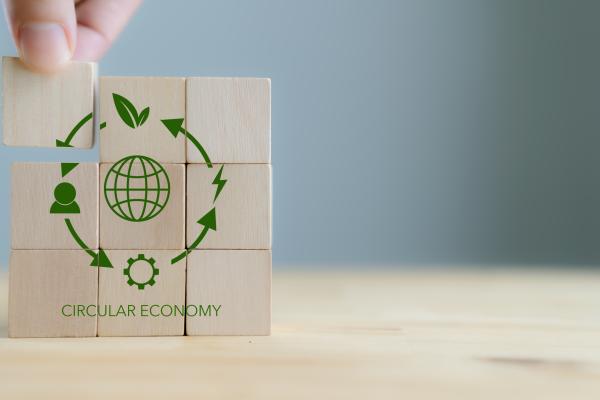
EU waste policy aims to contribute to the circular economy by extracting high-quality resources from waste as much as possible. The European Green Deal aims to promote growth by transitioning to a modern, resource-efficient and competitive economy. As part of this transition, several EU waste laws will be reviewed.
The Waste Framework Directive is the EU’s legal framework for treating and managing waste in the EU. It introduces an order of preference for waste management called the “waste hierarchy”.
Certain categories of waste require specific approaches. Therefore, as well as the overarching legal framework, the EU has many laws to address different types of waste.
Objectives
EU waste policy aims to protect the environment and human health and help the EU’s transition to a circular economy. It sets objectives and targets to
- improve waste management
- stimulate innovation in recycling
- limit landfilling
Specific policies
EU rules on batteries and accumulators.
EU measures on treating bio-waste, including by limiting the amount sent to landfill.
EU rules on the management of construction and demolition waste.
EU measures to prevent and limit waste from vehicles once they come to their end-of-life.
EU rules to reduce the amount of waste sent to landfill, as this is the most polluting way to deal with waste.
EU rules on the proper management of mining waste.
EU rules on packaging and packaging waste, including recycling targets and recycled content.
EU rules on the safe disposal of PCBs and PCTs.
EU rules restricting the use of hazardous substances in electrical and electronic equipment (RoHS).
EU rules regulating the use of sewage sludge, and promoting its use in agriculture.
EU rules on making ship recycling greener and safer.
EU rules on waste containing persistent organic pollutants (POPs).
EU rules on collecting and treating waste oils.
EU rules on transporting waste within and beyond EU borders.
EU rules on treating waste electrical and electronic equipment (WEEE).
Actions
All EU laws on waste.
Implementation reports, guidance documents and information on how countries implement EU waste laws.
Visit EUROSTAT for statistics on waste generation and treatment in the EU.
Related Links
Main laws: Waste Framework Directive and other EU waste laws
Related topics: Chemicals, Circular economy, Industry, Plastics, Secondary raw materials, Sustainable development, Water
Related strategies: Chemicals strategy for sustainability, Circular economy action plan
Related Commission priorities: European Green Deal
Contact
For questions about EU environmental policy, please contact Europe Direct.