Overview
There is only one planet Earth, yet by 2050, the world will be consuming as if there were three. The EU’s transition to a circular economy will reduce pressure on natural resources, create sustainable growth and jobs, and is necessary to achieve the EU’s 2050 climate neutrality target and to halt biodiversity loss.
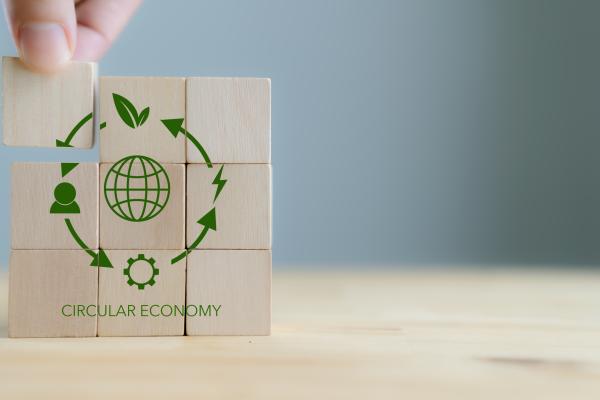
Moving away from the linear “take-make-use-dispose” model and transitioning to a regenerative growth model is essential to keep resource consumption within planetary boundaries. In a circular economy, the value of products, materials and resources is maintained in the economy for as long as possible, and the generation of waste is minimized.
The current linear economy continually increases its demands of scarce natural resources. By using and consuming in a more circular way, we can substantially reduce the impacts of human economic activities on the environment, including on biodiversity.
To accelerate the EU’s transition to a circular economy, the European Commission adopted the new circular economy action plan in March 2020.
Objectives
The circular economy will help us decouple economic growth from resource use, protecting Europe’s natural resources while boosting sustainable growth. It will help the European Union to strive to reduce its consumption footprint and double its circular material use rate in the coming decade.
The circular economy will
- enable an healthier planet and reduce pollution
- reduce pressure on natural resources such as water and land use
- reduce emissions to help the EU become the first climate-neutral continent
- create new business opportunities and local quality jobs
- enable more resilient value chains
Specific policies
EU action on plastic production and pollution to contribute to a circular economy.
EU action on waste management, treatment and recycling.
New criteria to stop companies from making misleading environmental claims.
Consumer rights for easy and attractive repairs of goods
EU action to address the production and consumption of textiles.
The EU is leading the way to a circular economy at the global level.
The EU’s action plan on critical raw materials, and list of these materials.
EU action to reduce industrial emissions.
EU measures to make sustainable products the norm in the EU.
Tools and instruments
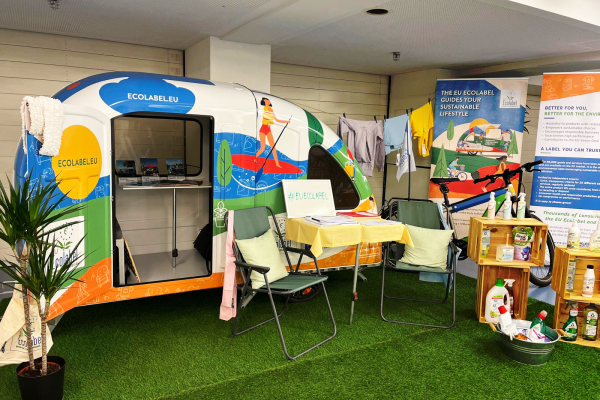
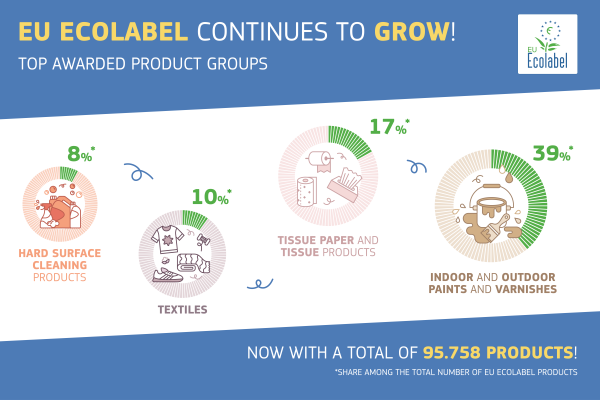
The EU’s label of environmental excellence, helping consumers make greener choices.
Bringing together stakeholders active in the broad field of the circular economy in Europe.
A common European approach to assess and report on the sustainability of buildings.
Promoting the uptake of green technologies through a verification process.
The EU’s management instrument for companies to improve their environmental performance.
A voluntary instrument to green public purchasing.
The EU’s strategy for tackling the issue of access to raw materials in the EU.
Eco-innovation and green technologies are key to the circular economy.
Monitor the progress of EU countries towards a circular economy.
Bringing together stakeholders on innovative approaches to the challenges related to raw materials.
Measuring environmental performance through Product and Organisation Environmental Footprint methods.
Related Links
Main laws: Waste Framework Directive and other EU waste laws, Proposal for a Regulation on Batteries, Directive on single-use plastics, Ecodesign working plan 2016-2019, new Fertilising Products regulation, Water reuse regulation
Connected topics: Chemicals, Industrial emissions, Plastics, Secondary raw materials, Sustainable development Sustainable products
Connected strategies: New circular economy action plan, First circular economy action plan (2015 – 2019), Chemicals strategy for sustainability Zero pollution action plan, Biodiversity strategy for 2030, Plastics strategy, Action plan on critical raw materials, New industrial strategy EU strategy for sustainable and circular textiles
Connected Commission priorities: European Green Deal