Overview
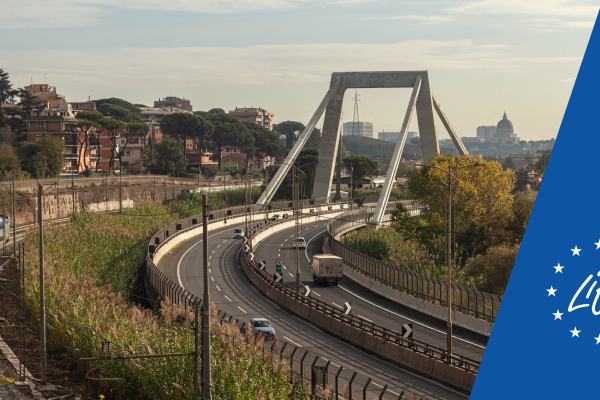
Environmental noise, also known as noise pollution, is a major environmental health concern in Europe. It is caused by various sources including road, rail and airport traffic, industry and construction. Environmental noise can be substantially reduced by implementing cost-effective measures.
Environmental noise is the second biggest environmental cause of health problems after air pollution (the fine particulate matter in air), according to the World Health Organisation (WHO). Prolonged exposure to noise can lead to serious illnesses including
- cardiovascular diseases
- reduced cognitive performance in children
- severe annoyance, which is a form of stress
- sleep disturbance
- tinnitus
The effects of noise exposure is also costly for our economy, as it leads to less productive working days, burdens healthcare systems and reduces the value of properties.
EU noise policy aims to monitor and tackle environmental noise in Europe to help achieve the zero pollution vision for 2050. EU rules address noise pollution from the main sources, outdoor noise sources, as well as underwater noise affecting sea animals.
In the EU
Objectives
The EU aims to reduce environmental noise to protect human health. EU policies ensure that information on environmental noise and its effects is easily available to Europeans.
The EU has also harmonised the procedures to assess human health effects and prepare noise action plans, even if there is no set EU reduction objective.
The European Commission proposed a policy target of reducing the share of people chronically disturbed by transport noise by 30% by 2030 in the Zero Pollution Action Plan.
Specific policies
EU rules to reduce underwater noise under the Marine Strategy Framework Directive.
The main EU law to identify and reduce noise pollution levels where necessary.
EU laws regulating environmental noise from various sources.
Tools and instruments
Explore the maps to see environmental noise from roads, railways, airports, industry and in cities where you live.
Related links
Main laws: Environmental Noise Directive, laws on the main sources of noise pollution and the Outdoor Noise Directive, Marine Strategy Framework Directive
Related topics: Urban environment
Related strategies: Zero pollution action plan, Sustainable and smart mobility strategy
Related Commission priorities: European Green Deal