Overview
Clean air is essential to our health and to the environment. However, due to human activities causing polluting emissions, air quality has deteriorated considerably. These activities are notably linked to industry, energy production, domestic heating, agriculture and transport.
Air pollution is the number one environmental health problem in the EU. It causes serious illnesses such as asthma, cardiovascular problems and lung cancer, and vulnerable groups are affected the most. Air pollution also damages the environment and ecosystems through excess nitrogen pollution and acid rain. It is also costly for our economy, as it leads to lost working days and high healthcare costs.
To tackle air pollution and achieve the EU’s zero pollution vision for 2050, the EU has a comprehensive clean air policy based on three pillars: ambient air quality standards, reducing air pollution emissions, and emissions standards for key sources of pollution.
In the EU
Objectives
The EU aims to improve air quality to protect human health and the environment. More specifically, EU policies aim to
- reduce the number of premature deaths and sicknesses caused by air pollution
- reduce pollution pressure on ecosystems and biodiversity
Specific policies
The EU has established ambient air quality standards to be achieved by all EU countries.
EU rules set national reduction commitments for five main air pollutants.
EU cooperation with strategic partners to tackle transboundary air pollution.
EU laws regulating emissions of air pollutants from various sources.
Tools and instruments
Bilateral discussions between EU countries and the Commission on how to achieve cleaner air.
An EEA tool allowing users to check short-term air pollution levels where they live.
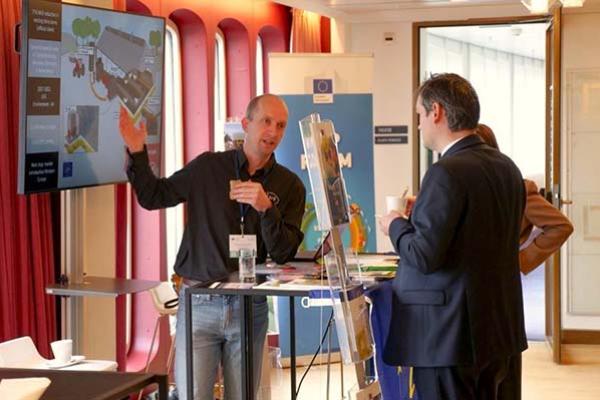
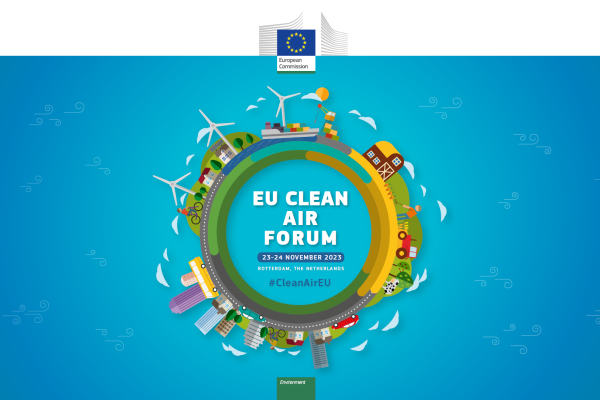
The major clean air policy event, taking place every two years in different locations in the EU.
Reports analysing the prospects for reducing air pollution in the EU by 2030 and beyond.
Financial support for EU countries to implement clean air related policy.
The EU’s zero pollution ambition was set out in the European Green Deal to protect Europe’s citizens and ecosystems.
Detailed data on air pollution in the EU is available on the EEA’s website.
Information on support provided by JRC on improving air quality.
CAMS monitors and forecasts European air quality and worldwide long-range transport of pollutants.
Related links
Main laws: Directive on ambient air quality and cleaner air for Europe, Directive on arsenic, cadmium, mercury, nickel and polycyclic aromatic hydrocarbons in ambient air, Directive on the reduction of national emissions of certain atmospheric pollutants
Related topics: Industrial emissions, Urban environment
Related strategies: Commission Communication - A Europe that protects: Clean air for all, Zero Pollution Action Plan
Related Commission priorities: European Green Deal