
Filter by
News (10063)
RSS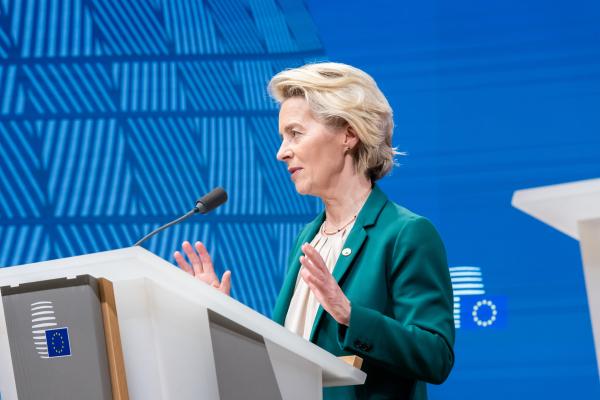
President Ursula von der Leyen participated to the special European Council meeting in Brussels on 17 and 18 April 2024. The leaders discussed about the importance of strengthening the competitiveness of the European Union and of its Single Market.
Auction results EU-Bills.
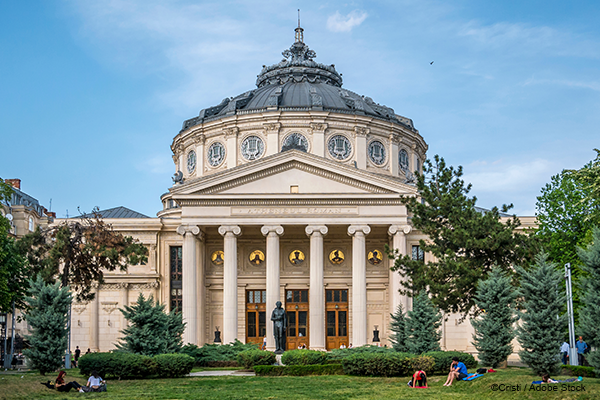
In a celebration of Europe's rich and diverse cultural heritage, the European Commission has announced the winning European Heritage Label sites for 2023.
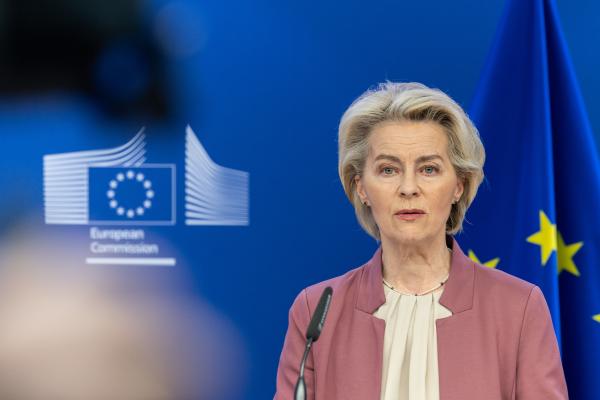
President von der Leyen calls on Iran and its proxies to cease completely the attacks on Israel.
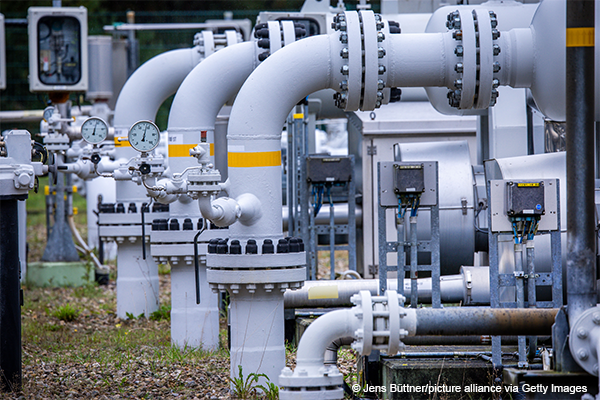
Europe has emerged from the second winter since Russia’s illegal invasion of Ukraine with record high gas storages. On 31 March the gas storages were over 58% full. This is the highest level on record at this time of the year.
Auction announcement EU-Bills.
Allowing for better cross-border exchange of data, the Act will enable better digital public services for EU citizens and businesses.
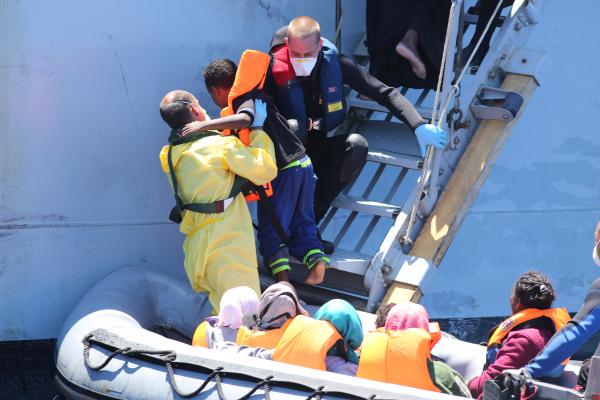
Statement by President von der Leyen following the final adoption of the Pact on Asylum and Migration by the European Parliament.
Read more on the Summit.

The Commission has presented a number of building blocks to help transform Europe into a clean, resource-efficient, fair and competitive economy.