Overview
Green infrastructure has been defined as “A strategically planned network of natural and semi-natural areas with other environmental features, designed and managed to deliver a wide range of ecosystem services, while also enhancing biodiversity.” Such services include, for example, water purification, improving air quality, providing space for recreation, as well as helping with climate mitigation and adaptation. This network of green (land) and blue (water) spaces improves the quality of the environment, the condition and connectivity of natural areas, as well as improving citizens’ health and quality of life. Developing green infrastructure can also support a green economy and create job opportunities.
The Natura 2000 network of protected areas constitutes the backbone of the EU’s green infrastructure.
Background
Ecosystem services are the benefits that flow from nature to people. They can be provisioning (e.g. supply of food, clean air, water and materials), regulating (e.g. water and climate regulation, nutrient cycling, pollination, formation of fertile soils), or cultural (e.g. recreation opportunities, inspiration we draw from nature). Natural ecosystems can provide a wide range of these services simultaneously. This multi-functionality is one of the key attractions of green infrastructure. Our societies and economies depend on healthy ecosystems and their services. A network of healthy ecosystems provides alternatives to traditional ‘grey’ infrastructure, often at a fraction of their cost.
Some examples:
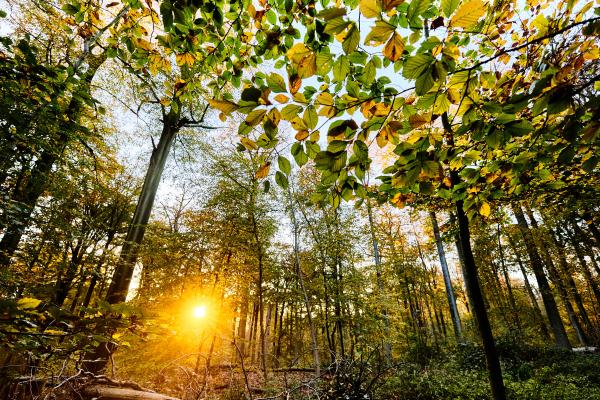
- Diverse mixed forests, absorb large quantities of water and protect the soil, preventing and reducing the impacts of floods and landslides. They also provide important habitats for animals, recreation, and contribute to carbon sequestration.
- Well-designed urban green spaces, (parks, gardens, green roofs, allotments…) can contribute to protecting biodiversity, while helping to tackle climate change, keeping cities cool, reducing flood risks and enhancing the health and well-being of urban residents.
- Restoring wetlands is a suitable, often cheaper, alternative to building a new water treatment plants, that can also provide many other natural services, including space for migrating birds, and for pollinators to thrive;
- Restoring floodplains is also much cheaper and often much more effective at preventing floods than building a new, higher dykes.
Policy
The EU promotes the use of green and blue infrastructure and nature-based solutions for the benefit of EU citizens and biodiversity.
The EU Green Infrastructure Strategy aims to preserve, restore and enhance green infrastructure to help stop the loss of biodiversity and enable ecosystems to deliver their services to people. The EU Biodiversity Strategy for 2030 promotes investments in green and blue infrastructure, as well as the systematic integration of healthy ecosystems, green infrastructure and nature-based solutions into urban planning.
There are obvious synergies between green infrastructure and environmental policies on land, water and the marine environment. A range of further EU policies support nature-based solutions and green infrastructure and harness their potential, such as agriculture and forestry, climate change mitigation and adaptation, disaster prevention and risk reduction (for example through natural flood management and water retention measures), energy, transport, health and research.
The development of green infrastructure can be facilitated by its further integration into spatial planning tools, Environmental Impact Assessment and Strategic Environment Assessment.
Studies and publications
To help planners, policymakers and businesses solve socio-economic challenges, while also protecting and restoring Europe's nature, the Commission published two guidance documents
- Guidance on supporting the deployment of strategic EU level green and blue infrastructure encourages a more strategic and integrated approach to scaling-up investments.
- EU guidance on integrating ecosystems and their services into decision-making (Summary, Part 1, Part 2, Part 3) highlights the wide range of benefits that flow from nature to people, and possible ways to take better account of these benefits in policy, planning and business investment decisions.
The guidance document is complemented by an overview and progress report of Natural Capital Accounting in the European Union (2019).
Factsheet on nature’s role in climate.
Discussion Paper Towards a Strategy on Climate, Biodiversity and Ecosystem Services.
Related links
Related topics: Air, Circular economy, Chemicals, Marine and coastal environment, Nature and biodiversity, Nature-based Solutions, Soil and land, Urban greening, Flood protection
Related strategies: EU Green Infrastructure Strategy, Biodiversity strategy for 2030, Circular economy action plan, Environment action programme to 2030, Forest strategy, Soil strategy, Zero pollution action plan; EU Adaptation Strategy