
Filter by
News (467)
RSSIn the context of strengthening Montenegro's AFCOS position and considering the candidacy of this state to the EU, DLAF Romania receives in the period 23 - 25 April the study visit of the Department for Combating Irregularities and Fraud - AFCOS Montenegro delegagation.
- News type
- Partner's press release
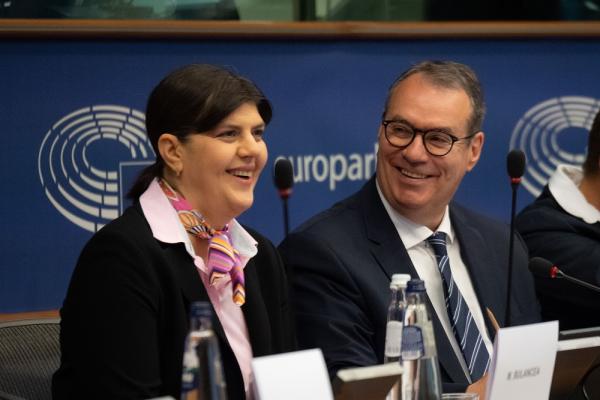
An Operational Partnership Conference of the European Anti-Fraud Office (OLAF) and the European Public Prosecutor’s Office (EPPO) took place on 22 and 23 April.
- News type
- OLAF press release

The European Anti-Fraud Office (OLAF) hosted the first in-person operational meeting of the G7 Sub-Working Group on Export Control Enforcement. Experts from the Group of Seven countries and OLAF met in Brussels on 16-17 April to exchange information and operational results.
- News type
- OLAF press release

During 2023, international operations involving the European Anti-Fraud Office (OLAF) led to the seizure of 616 million illicit cigarettes, 140 tonnes of raw tobacco and 6 tonnes of water pipe tobacco.
- News type
- OLAF press release
In 2023, the Fight against Fraud Department – DLAF achieved the most important post-accession document on the protection of the financial interests of the European Union in Romania.
- News type
- Partner's press release
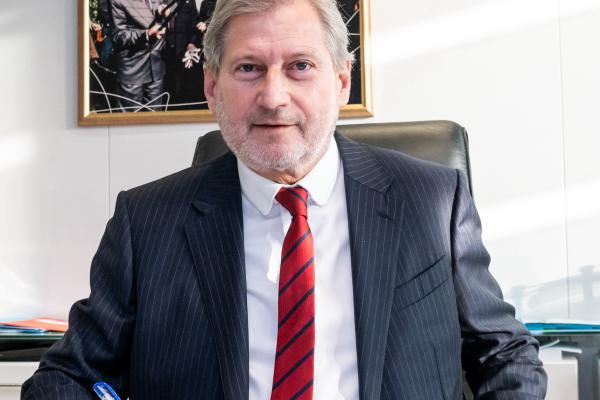
The European Anti-Fraud Office (OLAF) welcomes the signature of the Association Agreement on the participation of Ukraine in the Union Anti-fraud programme (2021-2027).
- News type
- OLAF news article
Based on the indictment of the Chief Public Prosecution Office of County Szabolcs-Szatmár-Bereg, the Nyíregyháza Court of Justice has convicted a woman and her two daughters in first instance who had enriched their family fortune with hundreds of millions of forints by submitting false applications.
- News type
- Partner's press release
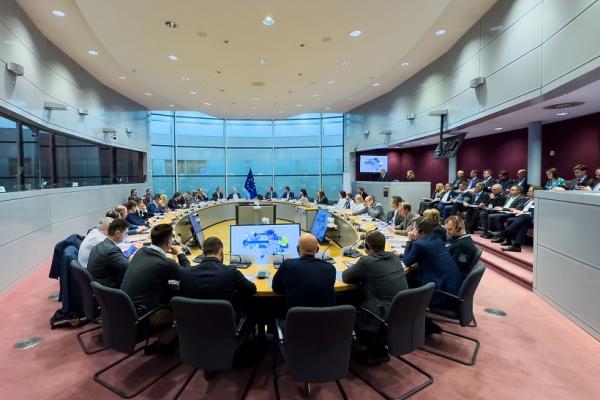
The European Anti-Fraud Office (OLAF) is currently holding a three-day training event in Brussels for Ukraine’s anti-fraud and anti-corruption authorities.
- News type
- OLAF press release
De Belgische douane heeft in Zeebrugge een container met bijna 11 miljoen (10.830.000) Chinese sigaretten onderschept, goed voor 5,2 miljoen euro aan Belgische accijnzen, btw en invoerrechten.
- News type
- Partner's press release

Hundreds of thousands of illicit tablets and vials were seized by customs authorities under a targeted action led by the European Anti-Fraud Office (OLAF).
- News type
- OLAF press release